MENU
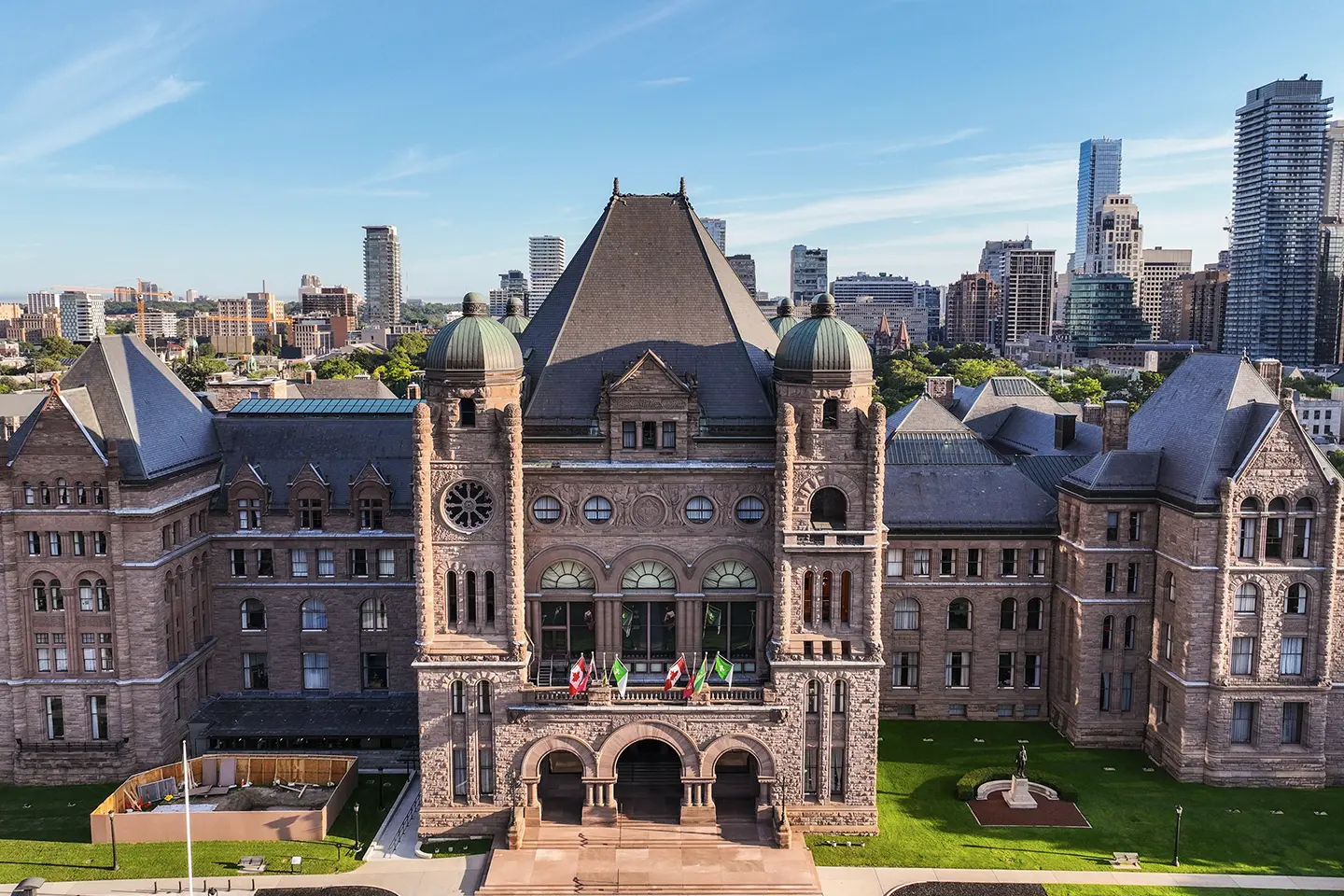
Aerial view of parliament hill in ottawa
01
Home
02
Services
03
Sectors
04
Team
05
Our Work
06
Updates
07
Careers
08
Contact
Services
01
Government Relations
02
Communications & Digital
03
Advisory Services
Sectors
01
Energy
02
Environment
03
Health Care
Updates
01
Insights
02
News
EN
FR
ServicesSectorsTeamOur WorkInsights
EN
FR
insights
updates
March 14, 2025

Mark Carney officially sworn in as Canada's 24th Prime Minister along with slimmer ministry

written by
Federal Team
Mark Carney officially sworn in as Canada's 24th Prime Minister along with slimmer ministry

This morning at Rideau Hall, Mark Carney was formally sworn in by the Governor General as Canada’s 24th Prime Minister, following his victory in the Liberal leadership contest last Sunday. He replaces outgoing Prime Minister Justin Trudeau, who served for nine years in office. Prime Minister Carney takes office amidst widespread global uncertainty and the ongoing tariff dispute with the United States and President Trump, who continues to use inflammatory language and declare his desire to make Canada “the 51st state.”

As is customary and necessary upon the dissolution of a previous Ministry and resignation of a Prime Minister, a new Cabinet was sworn in, designed by the new Prime Minister to reflect a leaner and more focused mandate on managing challenges with the U.S. and the economy, at least temporarily ahead of an imminent federal election.

Trudeau's final cabinet was made up of 37 ministers. The Carney team had been indicating for days in advance that they intended to slim down the size of Cabinet with a heavy if not outright emphasis on tackling the Canada-U.S. dispute. Including Carney, the new Cabinet is composed of 24 ministers. Carney’s first political test was forming a new Cabinet, where he aimed to project stability while signaling a break from his predecessor.

Carney takes office with a historic precedent of being the first person to assume the role without previously having held elected or appointed office. You can read more about Canada’s new Prime Minister, his background, the circumstances of his victory and his stated policy positions here in our posting from earlier this week.

Our analysis covers who stays in Cabinet, who's been replaced, and which Ministers have new roles or expanded responsibilities. It also outlines the government's next steps and key priorities, while exploring the reshuffle's impact on the upcoming federal election and the political landscape.

Read more about his Cabinet appointments, key changes, and what's next for Canada under Prime Minister Carney here.

Happy to help

We are pleased to provide this analysis to Sussex clients and contacts. As always, please feel free to contact your Sussex consultant with any questions.

Devin McCarthy
Managing Partner
dmccarthy@sussex-strategy.com
view profile
Roberto Chavez
Vice President, Federal & Energy
rchavez@sussex-strategy.com
view profile
Teodora Durca
Senior Associate, Federal
tdurca@sussex-strategy.com
view profile
share article
Link copied
‍

RECENT POSTS

Election-Proofing Your Project in 2026
July 14, 2026

Election-Proofing Your Project in 2026

Ontario’s 2026 municipal elections will be fought on familiar but sharper terrain: housing, affordability and the local infrastructure that makes growth livable. Mayors, Councillors, and municipal staff are under pressure to show real progress, not just more debate. For developers, institutions and major proponents advancing projects at the municipal level, that means one thing: if your work is visible, it will be political.

Sussex Expands Its Federal Team Offering Even Greater Connectivity & Insight
July 6, 2026

Sussex Expands Its Federal Team Offering Even Greater Connectivity & Insight

Sussex is pleased to announce Greg MacEachern is joining Sussex as Senior Vice President, Federal, bringing more than 25 years of experience spanning government, public affairs, communications, and government relations.

Canada’s Nuclear Renaissance, Continued
June 26, 2026

Canada’s Nuclear Renaissance, Continued

Canada unveiled its first-ever sectorwide Nuclear Energy Strategy, setting concrete build-out targets: up to 10 new domestic reactors by 2040, four new export markets by 2040, across a four-pillar plan covering domestic builds, exports, fuel/waste management, and fission/fusion innovation. The strategy stays technology-agnostic between CANDU, AP1000, and Gen IV designs, leans on existing financing tools rather than new funding (with a dedicated financing policy due next April), and frames nuclear as central to doubling Canada's grid capacity and capturing global export demand as countries move away from Russian supply chains.

view all
Thank you! Your submission has been received!
Oops! Something went wrong while submitting the form.
company
HomeTeamCareersContactTerms & PoliciesAccessibility
explore
ServicesSectorsOur WorkUpdatesSubscribe
follow us
ALL RIGHTS RESERVED © 2020
Land Acknowledgement