Minister Wilkinson Advances the Canada Green Buildings Strategy
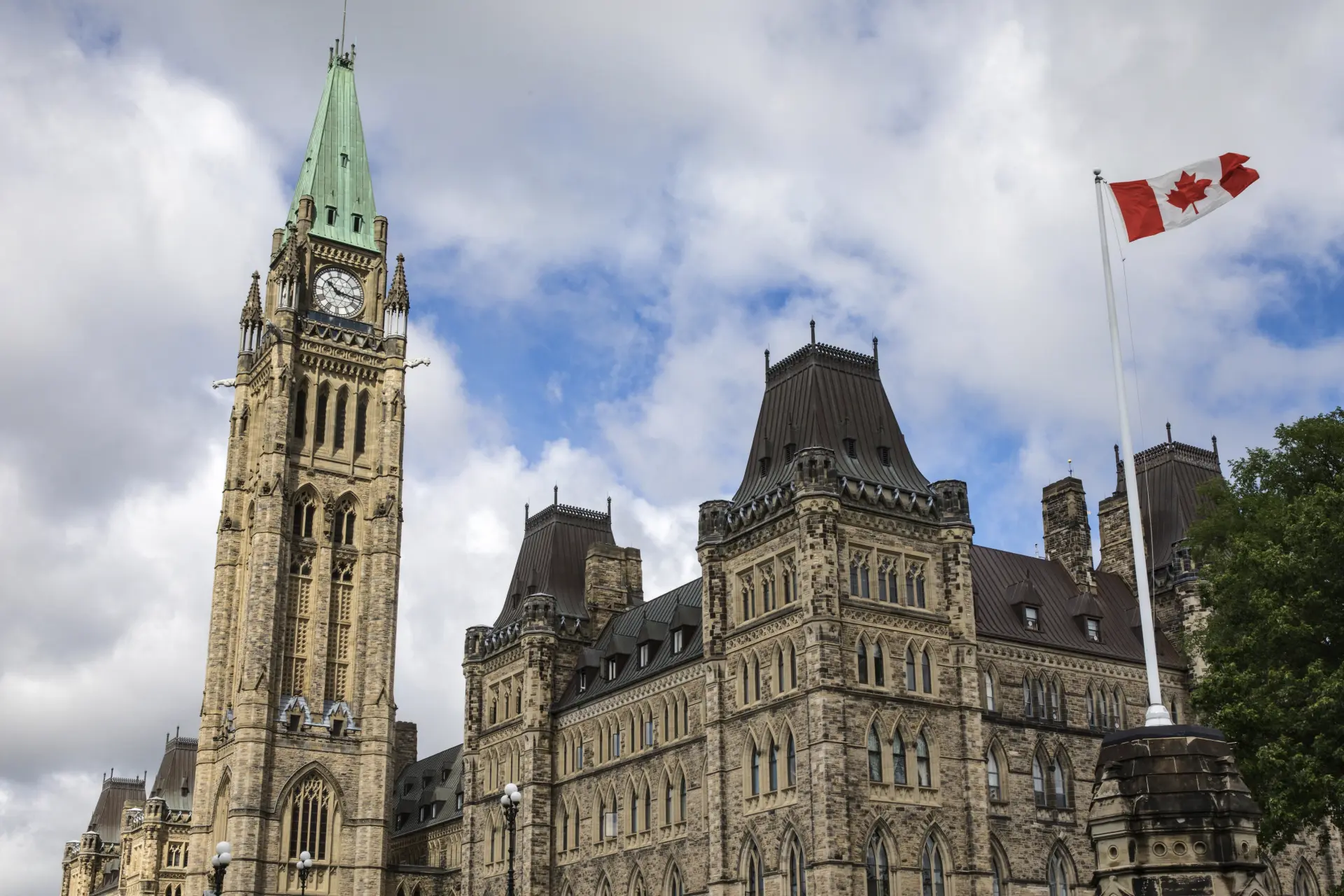
Yesterday, the Honourable Jonathan Wilkinson, Minister of Natural Resources Canada announced the next steps in the Canada Green Buildings Strategy, including the launch of a public consultation seeking input on the key elements on the strategy and new ideas to help decarbonize the built environment.
The strategy was a commitment made in the 2030 Emissions Reduction Plan. Budget 2022 allocated $150 million over five years for the development of the strategy. With housing, commercial, and public buildings accounting for 13% of Canada’s direct GHGs, the goal of the Canada Green Buildings Strategy is a net-zero emission and climate-resilient buildings sector by 2050, with an interim goal of 37% emissions reduction from 2005 levels, by 2030.
Following the announcement, NRCan released a discussion paper outlining the interests and scope of the strategy. Interested stakeholders can provide written feedback until September 16, 2022 to greenbuildingsstrategystrategiepourlesbatimentsverts@nrcan-rncan.gc.ca.
The discussion paper outlines three core areas as the focus of work under the strategy. These are framed as desired outcomes from its work:
- New Buildings: Build net-zero carbon and climate-resilient from the start. Ensuring that new buildings achieve the highest levels of energy, carbon performance, and climate resiliency. All new buildings need to be net-zero carbon-ready as early as 2027 and no later than 2032 and conform to the latest applicable codes, standards and guidelines for climate resilience as early as 2025 and no later than 2030.
- Retrofitting the Building Envelope: Increase the rate of deep, climate-resilient building retrofits. The majority of buildings standing today will still be in use in 30 years, which means that in addition to constructing better new buildings, to achieve a net-zero and climate-resilient buildings sector, there is a need to retrofit nearly all the existing buildings in this country, and take advantage of joint opportunities for resiliency upgrades. The deep retrofit rate would need to reach 3% to 5% of buildings annually by 2025 and applicable codes, standards and guidelines for climate-resilient retrofits would need to be referenced in building retrofit programs at all levels as soon as possible (including retroactively wherever possible).
- Transform space and water heating: The overwhelming majority of building emissions come from space and water heating equipment, largely due to fossil fuel equipment, such as natural gas and oil-fired furnaces. Electrification of space and water heating (allowing for hybrids where full electrification is not feasible) and ensuring that building envelopes are well insulated will be essential components of decarbonizing the buildings sector. Phased timelines for transition off of fossil fuel heating systems are needed (e.g. when installation of oil or natural gas heating systems would no longer be permitted).
Additionally, the paper lays out six thematic areas where the market and policy environments require a transformation to achieve building decarbonization. This section also includes early actions to advance each theme. The six thematic areas are:
- Government Leadership – All levels of government demonstrate leadership for transitioning to net-zero emissions and climate resilient buildings to align with the overall goal.
- Mandating Change – Governments should exercise existing legislative authorities and develop new ones that set measurable requirements for the market to make significant investments in the net-zero buildings sector.
- Enabling Investment Decisions – Produce the growth required within the retrofit market by giving Canadians and businesses more information about the performance of different building types and strategies to improve investment decisions.
- Growing Canada’s Advantage in Building Practices, Technology and Building Materials – Advance holistic low-carbon solutions in the buildings sector to overcome challenges in decarbonization. This leads to low-carbon, climate-resilient technologies, building materials and construction practices becoming cost-competitive.
- Training and Incentivizing the Future Workforce – The labour market will face the challenge of re-skilling existing workers in addition to attracting new workers to high-performance construction and net-zero labour markets. A skilled workforce must be in place to support building decarbonization and enhancing climate resilience in architecture, construction, renovation, trades, housing development and more.
- Enabling Informed Actions – Accurate data and information provide the basis for policy development/decision making that will support provision of a net-zero emission building stock. This data modelling should be accessible to market participants (with respect to individual privacy) to inform public sector programs and evolution of the strategy.
In addition to comments on the discussion paper, interested stakeholder and the general public can submit feedback through an online engagement portal to support the development of the strategy.
Next Steps
NRCan plans to review feedback from stakeholders throughout September and October. Following this exercise, the (evergreen) Canada Green Buildings Strategy will be released in Spring 2023.