Premier Doug Ford Shuffles Cabinet Ahead of Important Fall Sitting
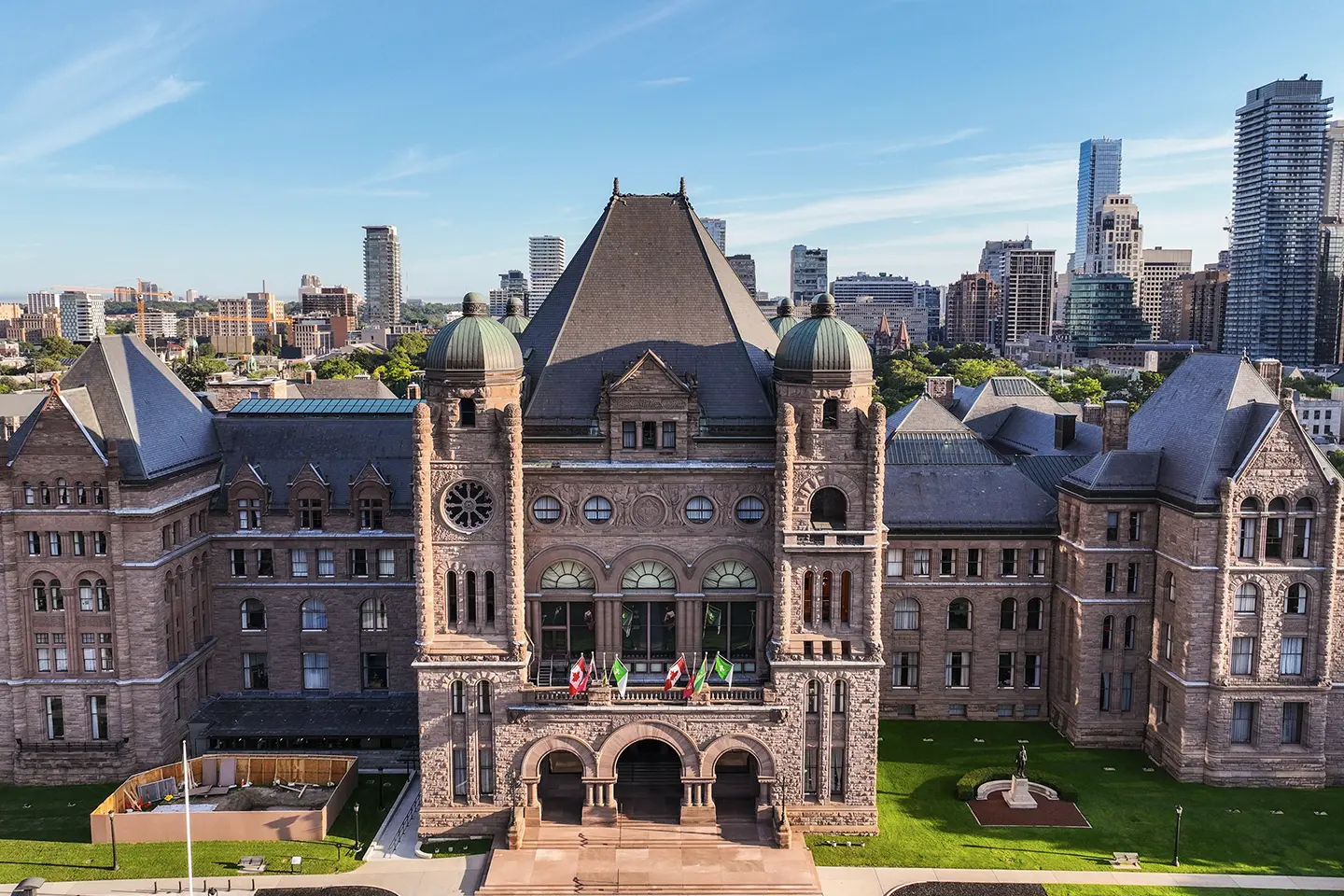
Today’s cabinet shuffle is about more than filling vacancies or reallocating responsibilities. While some of the changes were prompted by departures from Cabinet over the summer, including Caroline Mulroney, Stan Cho, and Neil Lumsden, a cabinet shuffle is ultimately an exercise in political and policy prioritization. The broader story is what today's decisions reveal about the government's view of Ontario's future.
Recent Ontario, Canadian national, and other provincial and territorial elections have been shaped by external challenges, from a global pandemic to economic and trade uncertainty originating beyond Canada's borders. But resilience, while important, is rarely enough to sustain a governing agenda indefinitely. As Ontario enters its next chapter, voters will increasingly want to hear not only how the province is protecting itself, but how it intends to grow, compete, and prosper in a world with or without trade conflict with the United States.
The team assembled today signals a government that is shifting its focus and positioning from defending and managing disruption to being on the front-foot: taking responsible risks and pursuing high-value opportunities, choosing to further invest in people, jobs, communities, and double-down on high growth sectors, and building a more self-reliant and strong provincial economy.
What This Means
At its core, this shuffle is about strategic positioning.
Overall this shuffle is meant to provide a clean reset and repositioning responsive to the ongoing threat of US tariffs and this government presenting a strong, ready team to guide Ontario's workers, employers, communities, and investors through the conflict and into a more resilient, self-reliant and stable economic position.
New portfolios, like Artificial Intelligence Adoption send a clear signal that Ontario is going to assert itself as a global entity for AI deployment and related investments.
As Ontario works to diversify trade relationships, attract investment from new markets, secure critical infrastructure, and build the workforce needed to support expanding industries, the Premier has largely chosen continuity over disruption in several key economic portfolios. At a time when businesses and investors are looking for certainty amid ongoing trade tensions with the United States, the decision to maintain much of the government's economic leadership team suggests confidence in the ministers responsible for executing Ontario's economic agenda.
For stakeholders across the province, the shuffle offers an early indication of where the government intends to focus its attention and political capital in the months and years ahead.
Click here to see the full cabinet changes and analysis