Federal Government Launches National Electricity Strategy
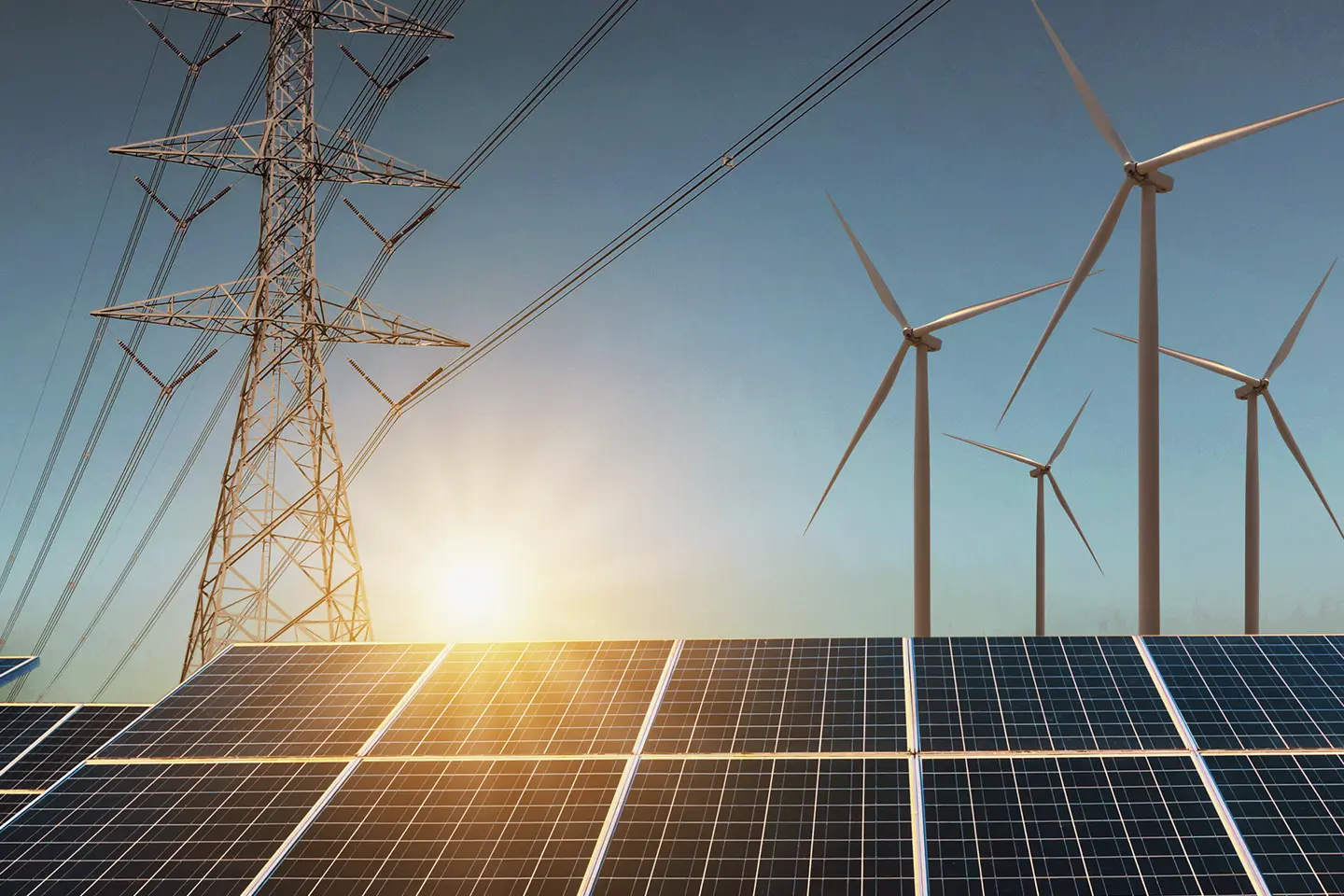
The plan to double grid capacity by 2050
Today, Prime Minister Mark Carney announced the launch of a new National Electricity Strategy.
The strategy positions access to abundant, affordable and reliable electricity as fundamental to competitiveness, energy security and economic sovereignty.
Citing sharp increases in electricity demand, external strains on energy and affordability, the enabling role of electricity in emissions reductions, and the competitive advantage Canada maintains in low-cost and low-emission electricity, the federal government has launched the strategy as a nation-building exercise between provinces and territories, system operators, utilities, industry, and other partners to build an electricity system that promotes growth and prosperity while lowering emissions.
Through this plan, the government aims to:
- Build new infrastructure to double Canada’s electricity supply by 2050 and meet growing demand; and
- Accelerate electrification across the economy to support competitiveness and address climate change.
To meet these goals, the strategy is anchored on four pillars:
- Building infrastructure needed to double Canada’s electricity generation
- Connecting Canada’s grids East-West-North through new and expanded transmission lines
- Training, attracting, and retaining talent
- Making grid technologies and components in Canada
Consultation Opportunities
To deliver on their stated objectives on building out Canada’s electricity system, the federal government has invited feedback from industry, as well as provinces, territories, system operators, utilities and other partners, on the following areas:
- Building the electricity system: Optimizing supports across governments for electricity infrastructure as well as technologies and efficiencies that reduce emission impacts from natural gas.
- Financing the build: Developing financing mechanisms for generation, transmission, distribution and storage; extending the Clean Electricity Investment Tax Credit (CE ITC) to support certain high-voltage intra-provincial transmission projects; additional actions on retrofits for up to one million households; and developing a new comprehensive Transmission InterConnect Investment Strategy through the Major Projects Office
- Increasing regional integration: Collaborating with provinces and territories to reduce barriers for interprovincial interties; developing a standard cost allocation mechanism to manage project costs; and complementing data sharing and regional grid modelling
- Improving regulatory certainty and speed: Amending the Clean Electricity Regulations; simplifying federal regulatory and permitting processes; and securing priority and defence-related critical electricity assets
- Managing demand and modernizing the system: Demand-side measures to reduce energy bills; strengthening building code science and capacity for adoption; and supports for Integrated Resource Planning
- Building capacity across the value chain: Publishing a federal analysis on electricity component supply chains; supports for domestic manufacturing; diversifying manufactured component supply chains; and support for smart, clean energy technologies
- Ensuring the skills and labour needed: Aligning workforce planning and training with skills needed; assessments for electricity sector skills and training; improving labour market data collection; and improving awareness of skilled trades pathways
- Securing the north: Partnering with territories, utilities, and Indigenous governments to address energy infrastructure in the North to address energy infrastructure.