MENU
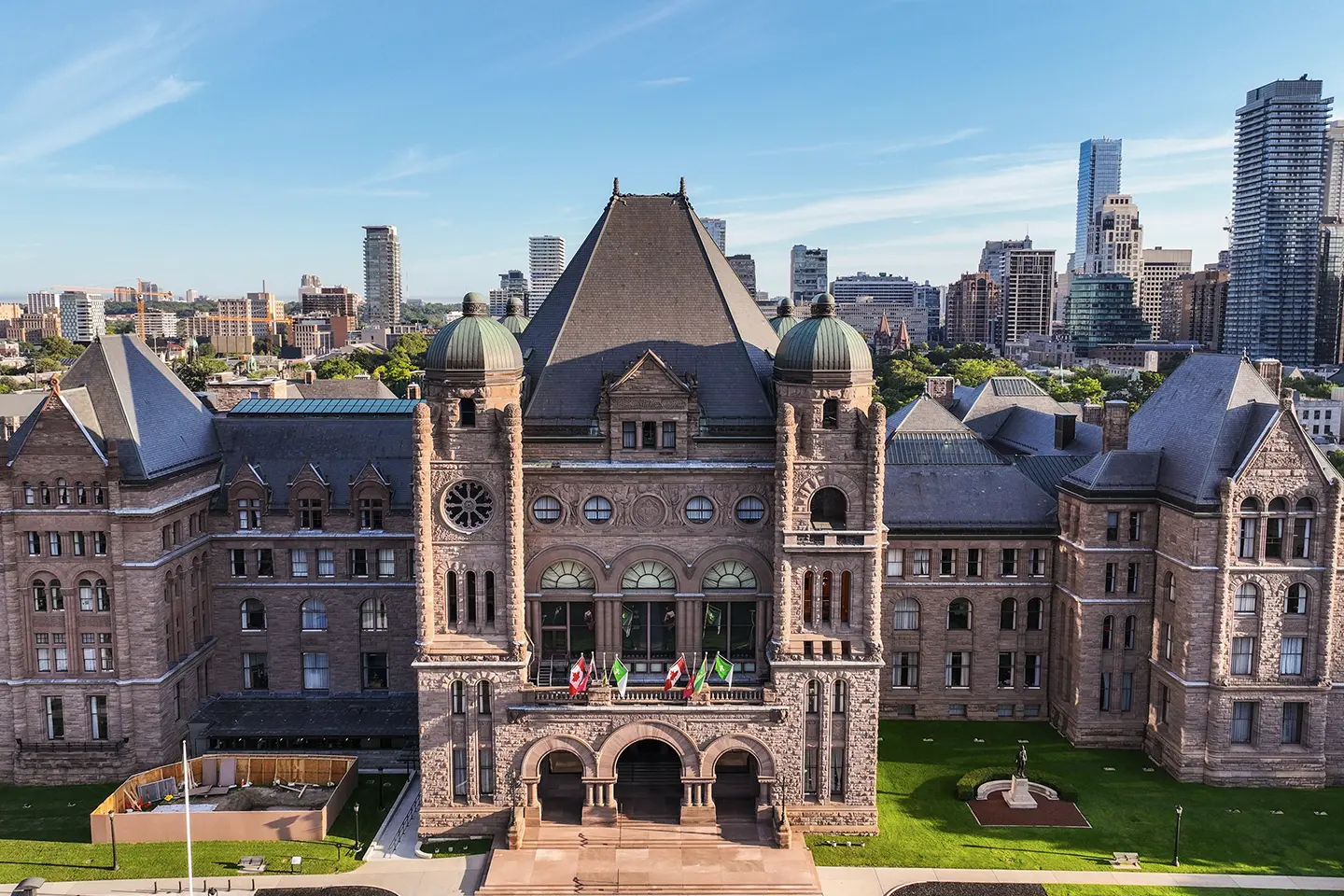
Aerial view of parliament hill in ottawa
01
Accueil
02
Services
03
Secteurs
04
Équipe
05
Notre travail
06
Mises à jour
07
Carrières
08
Personne-ressource
Services
01
Relations avec le gouvernement
02
Communications et numérique
03
Services consultatifs
Secteurs
01
Énergie
02
Environnement
03
Soins de santé
Mises à jour
01
Perspectives
02
Nouvelles
EN
FR
ServicesSecteursÉquipeNotre travailMises à jour
EN
FR
aperçus
mises à jour
February 11, 2021

2021 City of Toronto Budget Update: Hold the Line

Écrit par
Équipe municipale
2021 City of Toronto Budget Update: Hold the Line

As everyone continues to grapple with the ongoing pandemic, municipalities across Canada are faced with an additional challenge during this year’s budget deliberations of ensuring adequate funding is available for continued COVID-related support in addition to regular programs, services, and capital projects.

In the City of Toronto, the 2021 Budget process is underway, and this year differs remarkably from previous years. For starters, the entire process – from the Budget Launch to public consultations – is being held virtually, in order to comply with the current Public Health regulations, and as a result saw a noticeable increase in participation amongst the public. It will be interesting to see whether this virtual approach will continue post-pandemic, considering the high levels of engagement.

Further, this year differs as staff have had to pivot from “business as usual” to remain COVID-responsive in this pandemic-era budget, indicative that much of 2021 will be challenging and that it is still early days before government can fully turn its attention towards recovery and rebuild.

For context, Toronto City Council unanimously approved a 2020 tax and rate combined Operating Budget of $13.5 billion, and a total 10-Year Capital Plan of $43.4 billion on February 19, 2020 – and before the impacts of the COVID-19 pandemic were known. Subsequently, numerous in-year adjustments to the approved 2020 Budget were required to accommodate the estimated average weekly financial impact to the City of $65 million, as a result of both added costs required to manage the emergency, as well as a significant loss in revenues such as transit fares, municipal land transfer tax and various other charges and fees. By year’s end, this amounted to a $1.7 billion gap. The Safe Restart Agreement provided critical and welcome relief to municipalities across the country facing financial budgetary pressures, who cannot carry forward deficits.

Onwards to 2021 – A new year, new budget, and new financial pressures.
Read the full update from our Municipal Team

Aucun objet trouvé.
partager l'article
Lien copié
‍

Messages récents

Canada’s Nuclear Renaissance, Continued
June 26, 2026

Canada’s Nuclear Renaissance, Continued

Canada unveiled its first-ever sectorwide Nuclear Energy Strategy, setting concrete build-out targets: up to 10 new domestic reactors by 2040, four new export markets by 2040, across a four-pillar plan covering domestic builds, exports, fuel/waste management, and fission/fusion innovation. The strategy stays technology-agnostic between CANDU, AP1000, and Gen IV designs, leans on existing financing tools rather than new funding (with a dedicated financing policy due next April), and frames nuclear as central to doubling Canada's grid capacity and capturing global export demand as countries move away from Russian supply chains.

Le Canada dépose un nouveau projet de loi fédéral d'envergure sur la protection des renseignements personnels
June 16, 2026

Le Canada dépose un nouveau projet de loi fédéral d'envergure sur la protection des renseignements personnels

Le projet de loi C-36, la Loi sur la protection de la vie privée et des données des consommateurs, représenterait la refonte la plus importante du régime de protection des renseignements personnels du secteur privé du Canada depuis plus de 25 ans.

Tout le nucléaire ne se vaut pas
June 11, 2026

Tout le nucléaire ne se vaut pas

Les centrales nucléaires traditionnelles à grande échelle ont démontré depuis longtemps qu'il est possible de produire de l'électricité fiable à grande échelle sans émissions directes de gaz à effet de serre. Elles fournissent une électricité stable et continue qui soutient les économies modernes tout en aidant les juridictions à atteindre leurs objectifs climatiques.

voir tout
Je vous remercie ! Votre soumission a bien été reçue !
Oups ! Quelque chose s'est mal passé lors de la soumission du formulaire.
entreprise
AccueilÉquipeCarrièresPersonne-ressourceModalités et politiquesAccessibilité
explorer
ServicesSecteursNotre travailMises à jour
suivez-nous
Ce site a été traduit automatiquement à l'aide des outils de localisation de Webflow.
TOUS DROITS RÉSERVÉS © 2020
Reconnaissance des terres