Government of Canada Launches Canada’s National Adaptation Strategy
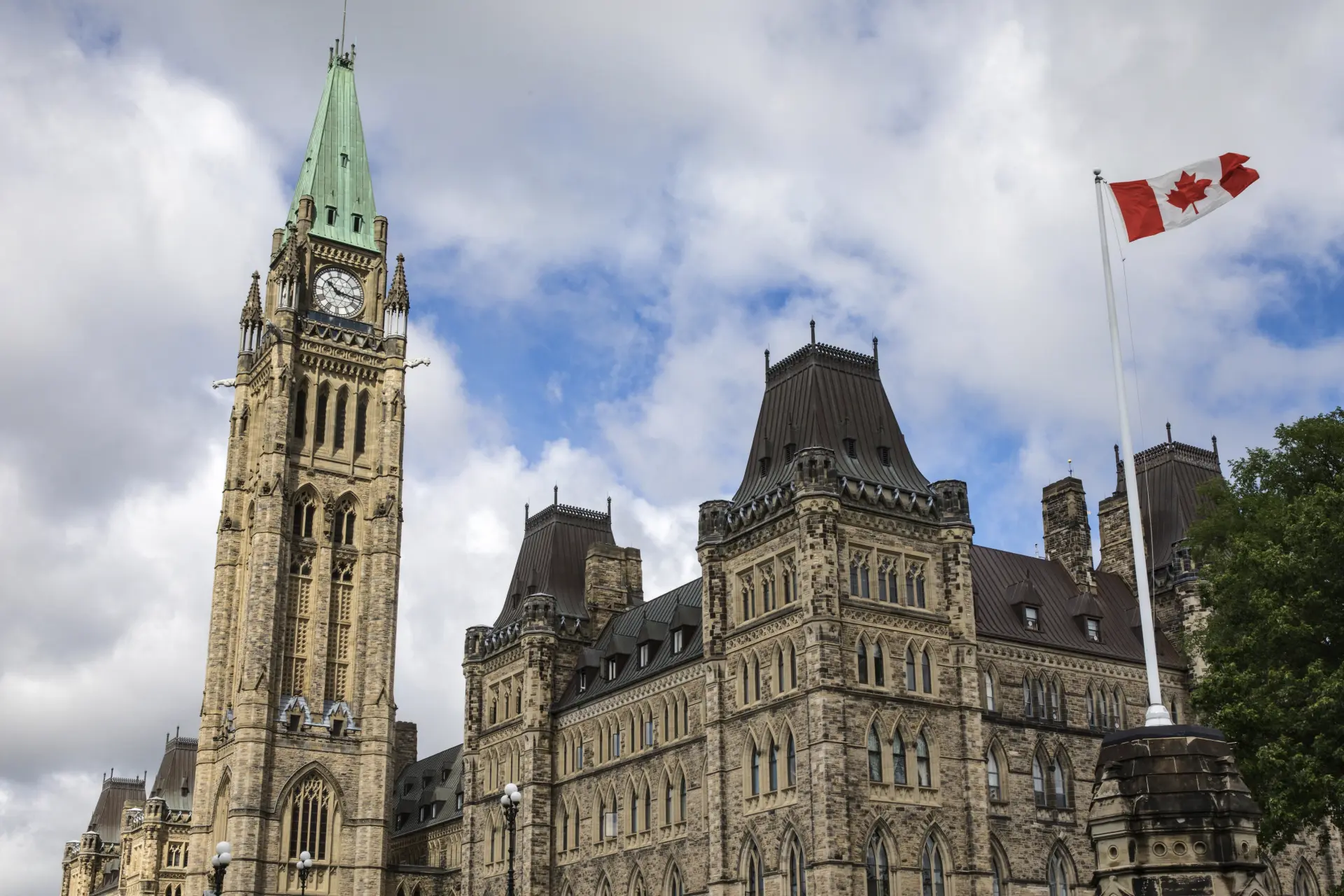
On November 24, 2022, the Government of Canada released Canada’s National Adaptation Strategy: Building Resilient Communities and a Strong Economy. The document discusses the federal government’s role and approach to preparing for climate change hazards and outlines specific investments aimed at addressing the impacts.
The federal government committed to developing Canada’s first comprehensive National Adaptation Strategy in December 2020 through its Strengthened Climate Plan, and then reaffirmed this commitment at the UNFCCC’s COP26 in Glasgow. In that time, consultation has taken place with provincial, territorial, and municipal governments; First Nations, Inuit, and Métis Nation representatives; key experts and stakeholders; and the general public.
The announcement includes $1.6 billion in new federal funding commitments designed to help protect communities across Canada, building off existing federal commitments to adaptation, disaster resilience and disaster response that total over $8 billion to date.
To effectively implement and achieve the goals and objectives set out in the Strategy, the federal government has also released the Government of Canada Adaptation Action Plan. It will organize federal efforts and create an inventory of federal actions that complement steps taken by other key stakeholders. Like the Strategy, the Action Plan will be updated over time to ensure it reflects the federal government’s comprehensive approach to adapting to climate change.
The Action Plan includes nearly 70 existing or new actions that address climate risks across five key priority areas:
- Disaster resilience: New investments include $284 million for reducing risks of wildfire through enhancing prevention and mitigation activities, supporting research and establishing a Centre of Excellence for Wildland Fire Innovation and Resilience, as well as $164.2 million to increase resilience to flooding by ensuring access to free, up-to-date flood-hazard maps. In addition, the federal government will invest up to $530 million to expand the Green Municipal Fund to support community-based adaptation initiatives, in collaboration with the Federation of Canadian Municipalities.
- Health and well-being: The new funding appropriates $29.9 million to expand Health Canada’s Protecting Canadians from Extreme Heat Program to provide resources on coping with extreme heat and $13 million to expand the HealthADAPT Program to support partners in creating climate-resilient health systems.
- Nature and biodiversity: The Plan announced up to $69.9 million will be invested into delivering a Canada-wide climate science assessment to establish a go-to database for ongoing and future climate change impacts in Canada.
- Infrastructure: $489.1 million have been newly invested in the Disaster Mitigation and Adaptation Fund, as well as $59.5 million of new funding to accelerate the use of climate-informed codes, standards and guidelines for resilient infrastructures.
- Economy and workers: Up to $41.4 million has been committed to fund a pilot approach to regional climate resilience through the new Climate Resilient Coastal and Northern Communities Program, which will enable communities to collaborate on overcoming barriers and developing solutions to climate change risks.
Provinces, territories, and national Indigenous organizations have a final 90 days to engage with and provide feedback to the federal government on the Strategy.