MENU
Aerial view of parliament hill in ottawa
01
Accueil
02
Services
03
Secteurs
04
Équipe
05
Notre travail
06
Mises à jour
07
Carrières
08
Personne-ressource
Services
01
Relations avec le gouvernement
02
Communications et numérique
03
Services consultatifs
Secteurs
01
Énergie
02
Environnement
03
Soins de santé
Mises à jour
01
Perspectives
02
Nouvelles
EN
FR
ServicesSecteursÉquipeNotre travailMises à jour
EN
FR
aperçus
mises à jour
January 14, 2022

Public Input on City of Toronto 2022 Tax-Supported Budget Launch

Écrit par
Équipe municipale
Public Input on City of Toronto 2022 Tax-Supported Budget Launch

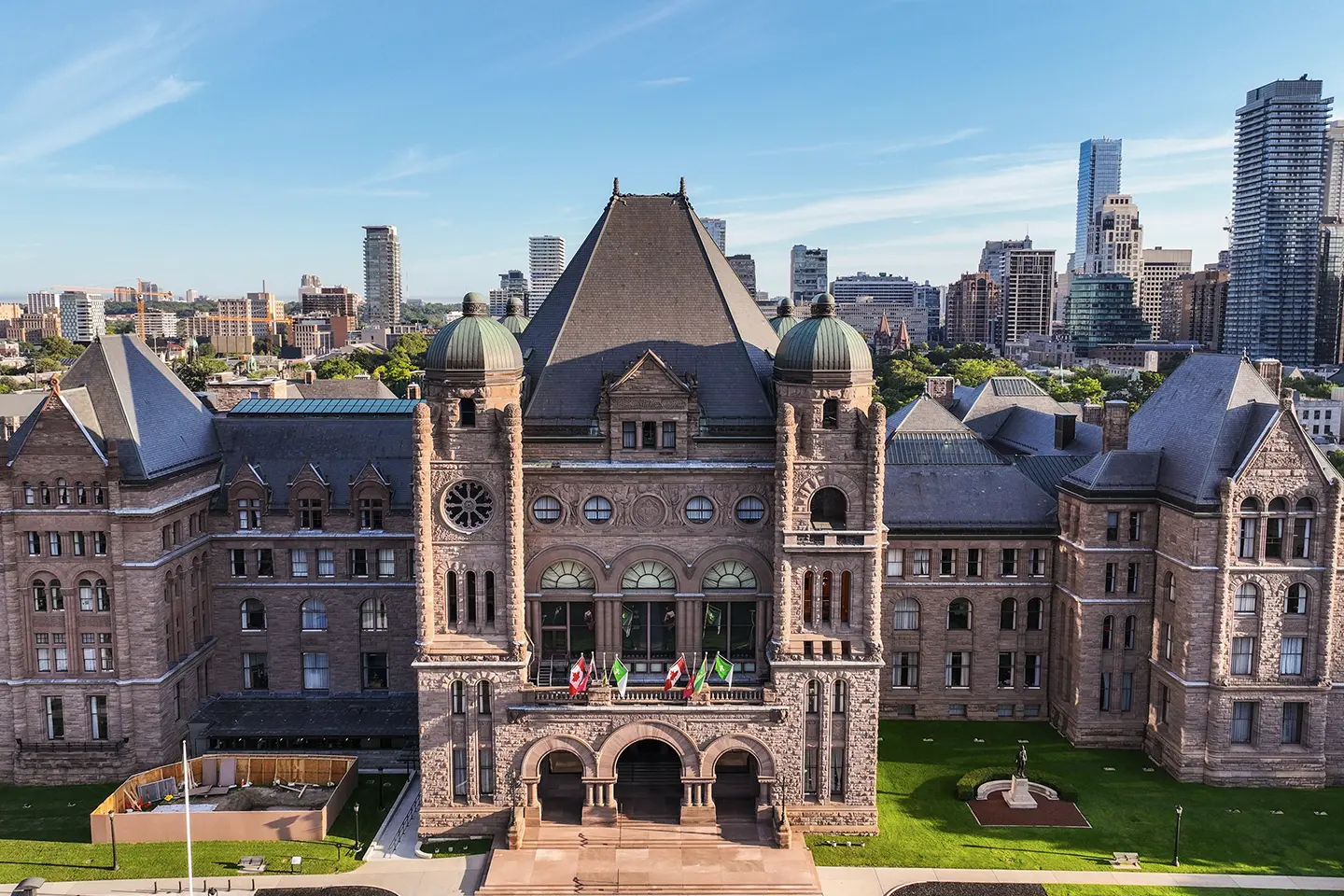
Yesterday, the City of Toronto launched its 2022 Budget process to review this year’s staff-recommended tax-supported operating and capital budgets. These budgets will be considered and debated by the City’s Budget and Executive Committees over the next month before being finalized and approved by City Council at its meeting on February 17, 2022.

Totalling $14.99 billion, the staff-recommended tax-supported operating budget includes $1.96 billion for rate-supported operating budgets, which were approved by Council on December 15, 2021. As part of the continued response to COVID-19, these figures preserve existing services levels and contain $1.4 billion in relief funding that requires the continued support of other levels of government. Similar to past years, the City’s Chief Financial Officer, Heather Taylor, indicated at today’s meeting there would be “significant” cuts if this downstream funding is not secured. Further, the 2023 opening shortfall is estimated to be between $1.3 to $1.7 billion, indicating that the COVID-19 response remains a large cost to the city.

The total proposed tax-supported 10-year capital budget and plan amounts to $46.58 billion, including the $16.05 billion rate-supported capital budgets approved by City Council in December 2021. Funding is earmarked for climate action investments as well as for strategic areas such as mobility, housing and modernization. New this year, the City’s staff-recommended budgets were developed using a climate lens with $15.5 billion of the budget including components to support greenhouse gas reduction and improve climate resilience.

In terms of increases, there is a proposed overall average budgetary increase of 2.11%. There will be a property tax base increase of 2.9% plus 1.5% earmarked for the city-building fund (which helps pay for housing and transit projects). Additionally, there is a 1.45% increase for commercial properties and a 0.97% increase for industrial properties. There will be no increase for multi-residential or apartment buildings, as per provincial legislation. New for 2022 is the City Council-approved 15% rate reduction for small businesses.

As part of this broader budget process, there will be opportunities for industry stakeholders to share their feedback. Should you be interested in making a presentation or providing a written submission, please contact us for further information and assistance. With 2022 municipal elections just around the corner, these budget processes can help to shed some light and frame some of the various priorities that could become larger election issues. Keeping abreast of these discussions are paramount. Some key dates are as follows:

Happy to help.

Don’t hesitate to contact our Municipal team should you have any questions or require more information.

Jamie Besner
Associé directeur
jbesner@sussex-strategy.com
voir le profil
Lauren Gerhardt
Directrice, Municipalité
lgerhardt@sussex-strategy.com
voir le profil
Sophie Rusen
Conseillère principale, Municipal
srusen@sussex-strategy.com
voir le profil
partager l'article
Lien copié
‍

Messages récents

Canada’s Nuclear Renaissance, Continued
June 26, 2026

Canada’s Nuclear Renaissance, Continued

Canada unveiled its first-ever sectorwide Nuclear Energy Strategy, setting concrete build-out targets: up to 10 new domestic reactors by 2040, four new export markets by 2040, across a four-pillar plan covering domestic builds, exports, fuel/waste management, and fission/fusion innovation. The strategy stays technology-agnostic between CANDU, AP1000, and Gen IV designs, leans on existing financing tools rather than new funding (with a dedicated financing policy due next April), and frames nuclear as central to doubling Canada's grid capacity and capturing global export demand as countries move away from Russian supply chains.

Le Canada dépose un nouveau projet de loi fédéral d'envergure sur la protection des renseignements personnels
June 16, 2026

Le Canada dépose un nouveau projet de loi fédéral d'envergure sur la protection des renseignements personnels

Le projet de loi C-36, la Loi sur la protection de la vie privée et des données des consommateurs, représenterait la refonte la plus importante du régime de protection des renseignements personnels du secteur privé du Canada depuis plus de 25 ans.

Tout le nucléaire ne se vaut pas
June 11, 2026

Tout le nucléaire ne se vaut pas

Les centrales nucléaires traditionnelles à grande échelle ont démontré depuis longtemps qu'il est possible de produire de l'électricité fiable à grande échelle sans émissions directes de gaz à effet de serre. Elles fournissent une électricité stable et continue qui soutient les économies modernes tout en aidant les juridictions à atteindre leurs objectifs climatiques.

voir tout
Je vous remercie ! Votre soumission a bien été reçue !
Oups ! Quelque chose s'est mal passé lors de la soumission du formulaire.
entreprise
AccueilÉquipeCarrièresPersonne-ressourceModalités et politiquesAccessibilité
explorer
ServicesSecteursNotre travailMises à jour
suivez-nous
Ce site a été traduit automatiquement à l'aide des outils de localisation de Webflow.
TOUS DROITS RÉSERVÉS © 2020
Reconnaissance des terres