The U.S. Midterms Are Coming. Canada Is Already on the Ballot.
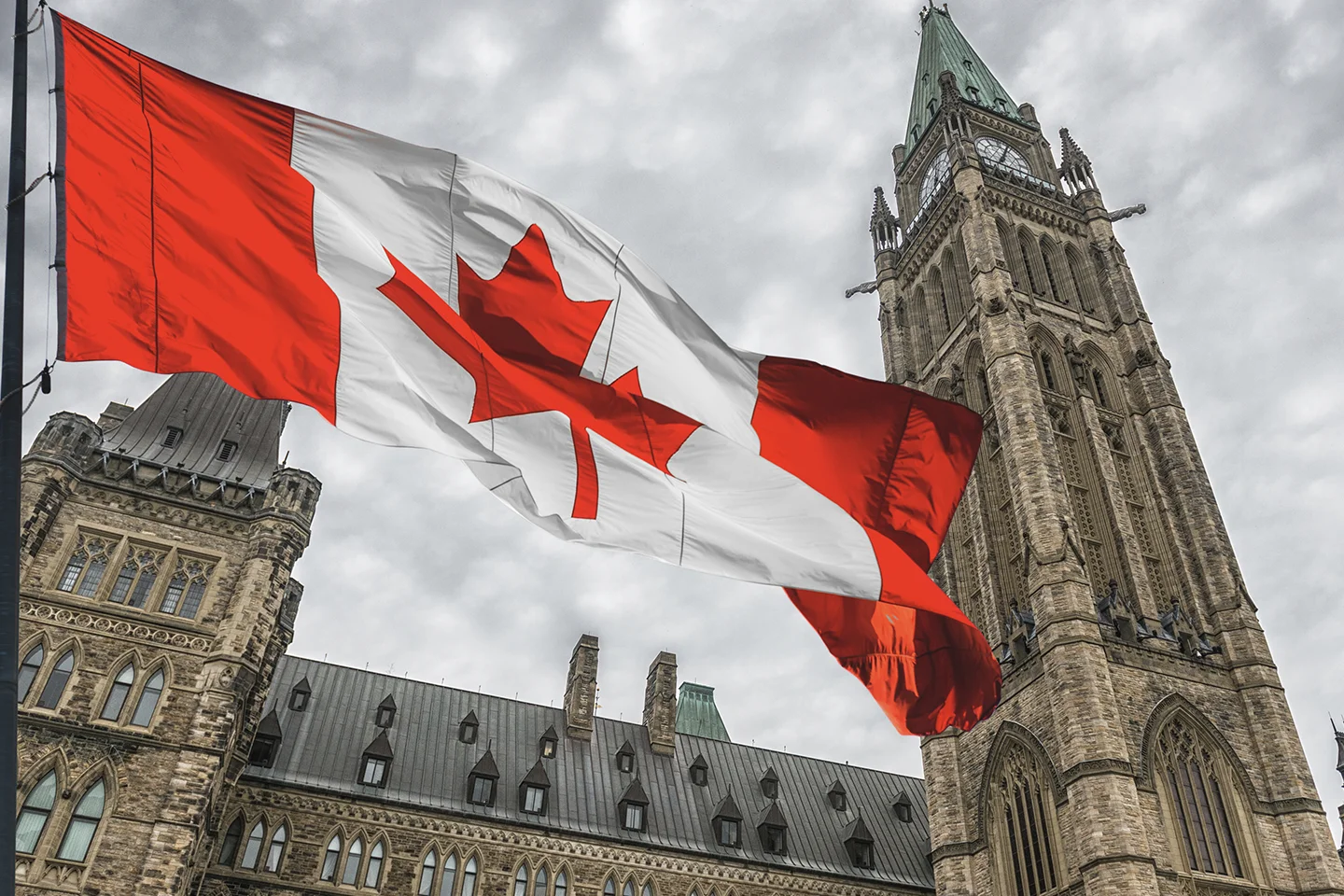
The 2026 U.S. midterm elections are increasingly shaping up as a referendum on the Trump Administration's economic agenda, and Canada is shaping up to be an integral part of that debate. While President Trump is not on the ballot this November, he remains the dominant political figure in the election, and current polling shows him running behind broader Republican support. At the same time, Republicans face competitive races in states likely to determine control of Congress, including Michigan, Wisconsin, Pennsylvania and Maine. These same states maintain some of the deepest economic relationships with Canada through automotive production, manufacturing, forestry, agriculture, energy and integrated cross-border supply chains. As a result, what might once have been viewed primarily as trade policy is increasingly becoming a set of kitchen-table economic issues in some of America's most important electoral battlegrounds.
That political reality helps explain the significance of the Trump Administration's July 20th announcement threatening additional 50% tariffs on a broad range of Canadian products, originally scheduled to take effect one month later. From the outset, the strategy offered political advantages to the White House regardless of the eventual outcome. Had Canada accepted a deal on terms satisfactory to Washington before the implementation deadline, the White House could have pointed to that outcome as evidence that its high-pressure negotiating tactics had delivered results for American workers and industries. When negotiations instead collapsed and the tariffs ultimately took effect, it enabled the Administration to push a narrative whereby it has courageously taken visible and aggressive action against a foreign trading partner's long-standing unfair trading practices. As Sussex observed at the time, the threatened new 50% tariffs were a pressure tactic that would work politically either way: it could either pressure Canada into a bilateral agreement on Washington's terms or allow President Trump to be seen as standing up for industries and communities concentrated in politically important swing states.
The same political logic is now increasingly evident in Canada. Prime Minister Carney enters this phase of the dispute from a position of considerable political strength, with recent polling showing historic approval levels and broad public support for a firm approach toward Washington. Polls suggest Canadians overwhelmingly expect their government to retaliate against the new U.S. measures and resist concessions that would be perceived as accepting an unfair deal. That public sentiment creates powerful political incentives in Ottawa. Just as the White House faces domestic pressure to demonstrate resolve, the Carney government faces strong incentives to show that it is prepared to defend Canadian interests, absorb short-term economic costs if necessary, and wait for more favourable negotiating conditions to emerge.
The result is that Canada-U.S. trade is no longer simply a bilateral policy dispute. It is increasingly becoming a highly-consequential domestic political issue on both sides of the border. In Washington DC, that means navigating a difficult midterm environment in which several key battleground states have extensive economic ties to Canada. In Ottawa, it means operating in a political climate that rewards standing firm against U.S. pressure. Together, those dynamics suggest that a meaningful breakthrough may become more likely only after the political incentives begin to change, whether following the November midterms, if Republicans experience significant losses, or over a longer time horizon as attention eventually shifts toward the post-Trump political landscape.