insights
What a Parti Québécois Government Means for Businesses
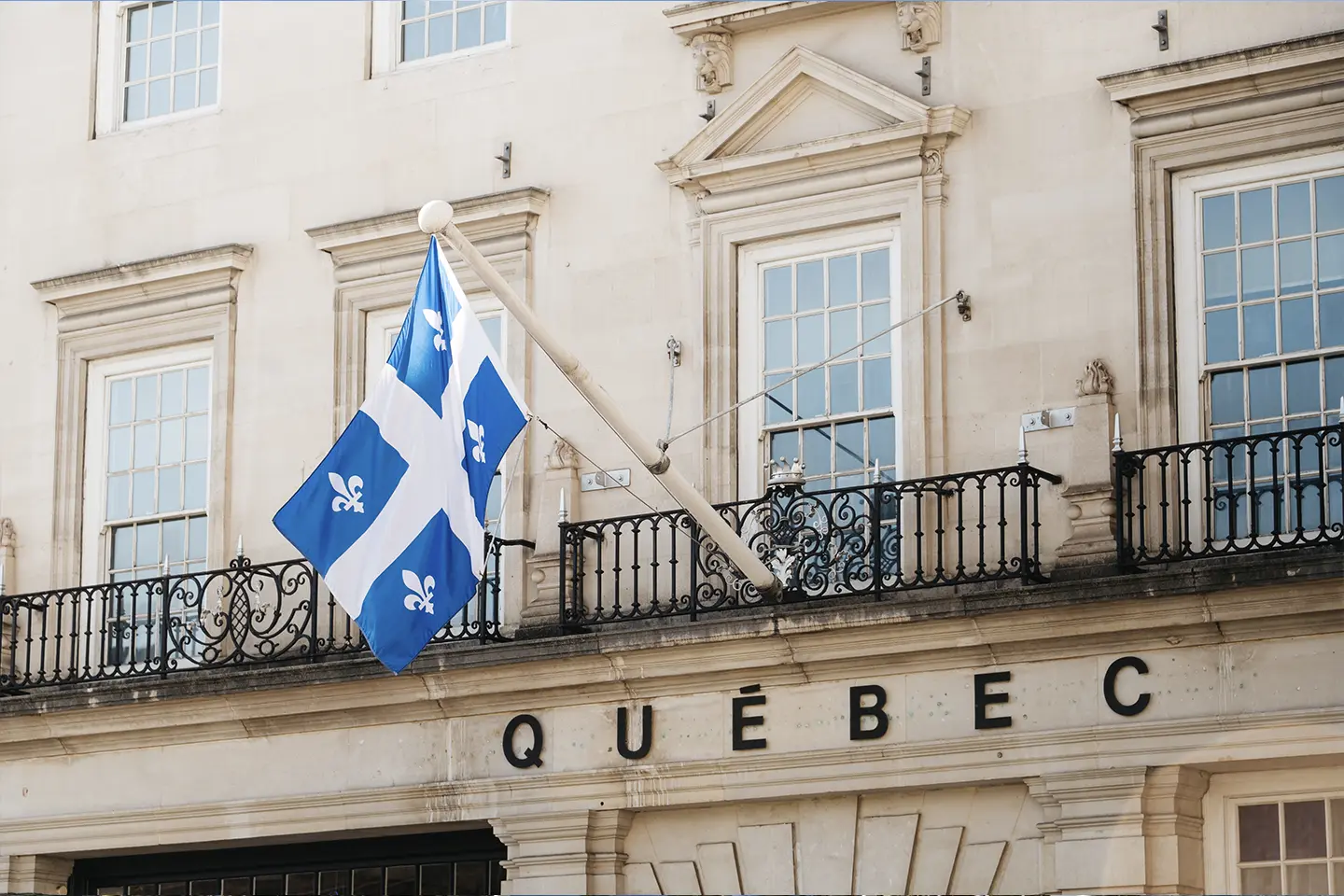
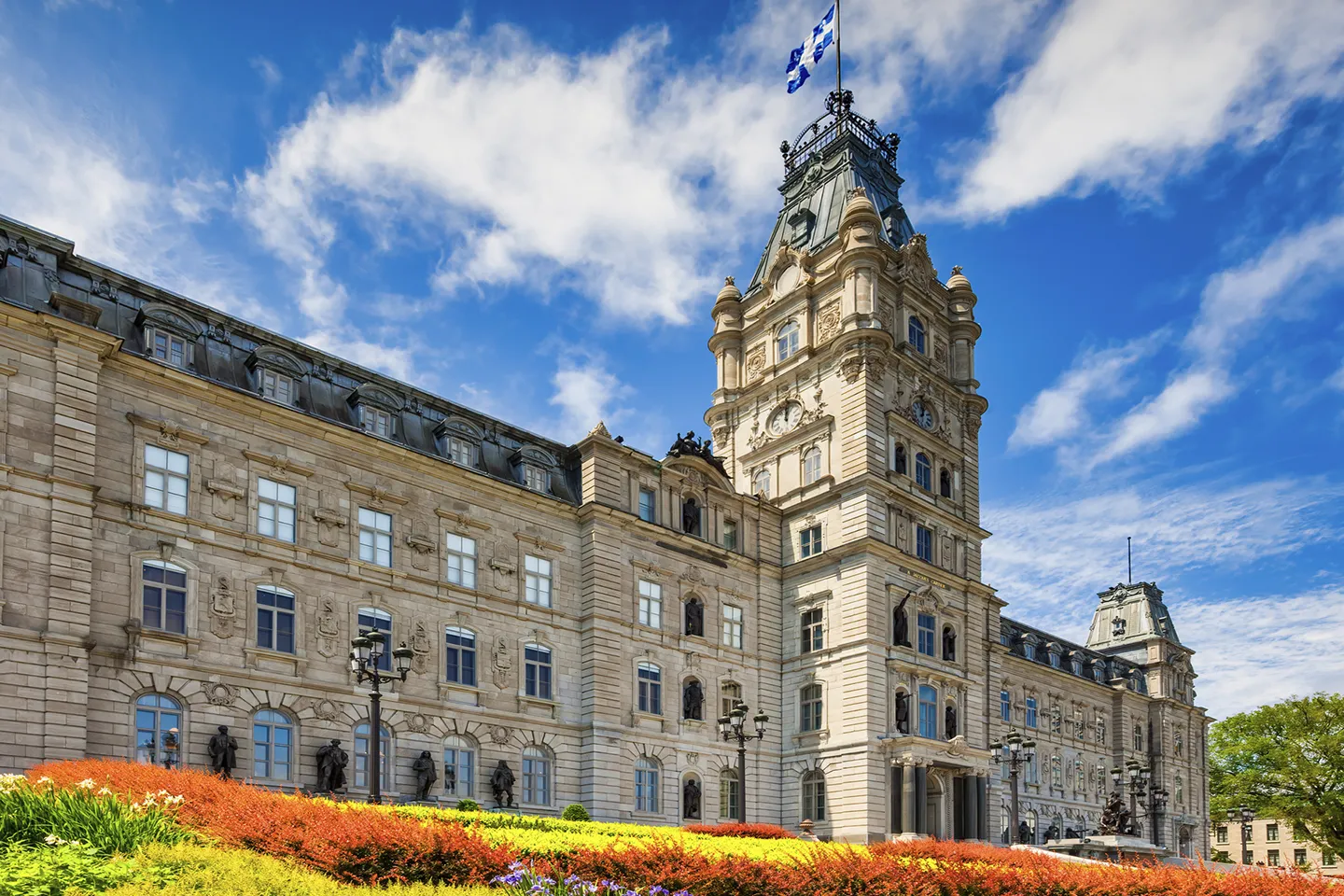
The swearing-in of Paul St-Pierre Plamondon and his lean Cabinet represents more than a change in government. For businesses, the arrival of the Parti Québécois signals a shift in how the state will select its interventions, assess projects, and define the benefits expected for Quebec. The government intends to take a more targeted approach while remaining heavily involved in sectors it considers strategic.
Quebec Election 2026: What a PQ Minority Government Means
The Parti Québécois (PQ) has returned to power and will form Quebec’s next government under Premier-elect Paul St-Pierre Plamondon. With 59 of 127 seats and 28% of the popular vote, the PQ secured a significant victory, albeit one that comes with clear parliamentary constraints.

Premier Doug Ford Shuffles Cabinet Ahead of Important Fall Sitting
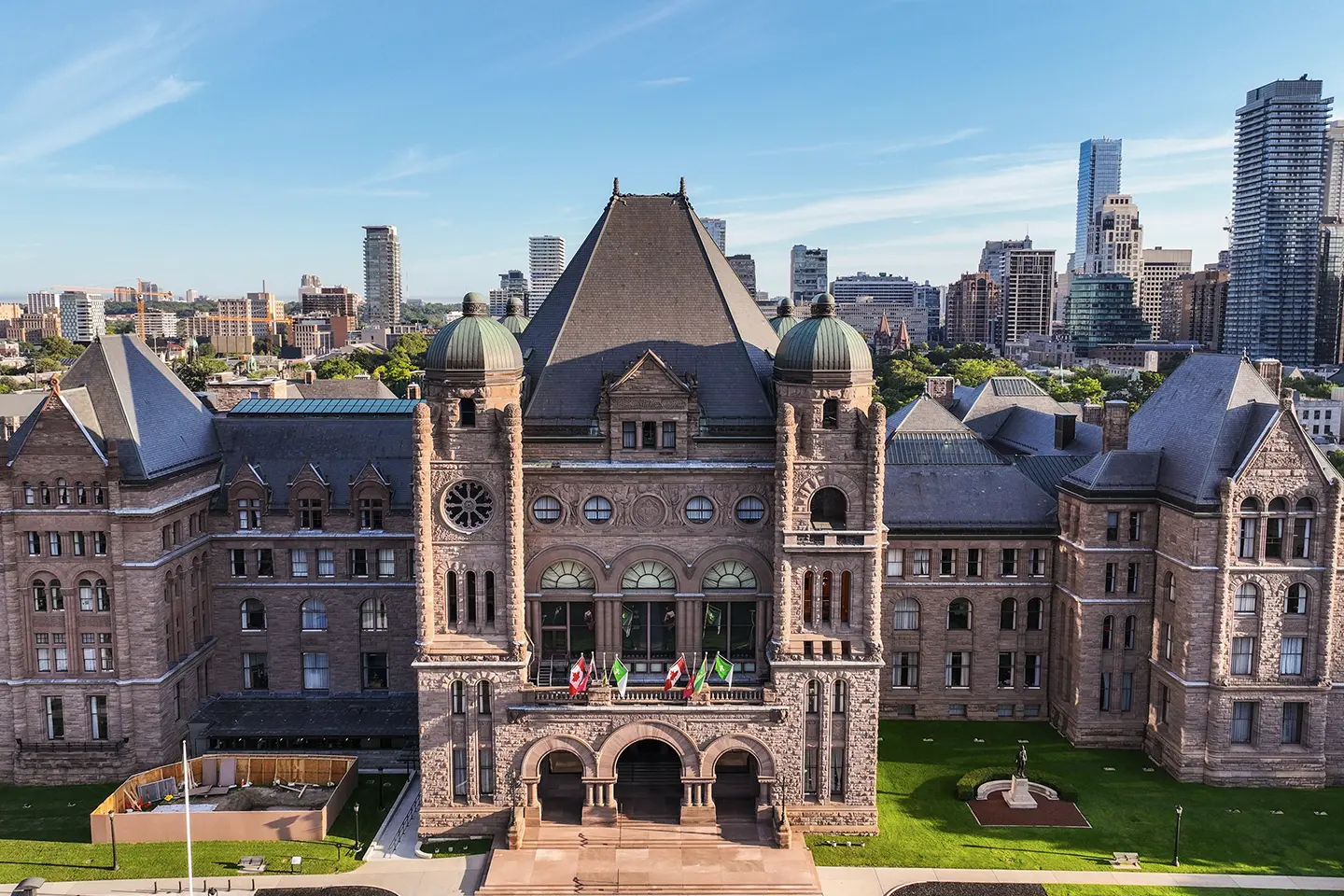
Today’s cabinet shuffle is about more than filling vacancies or reallocating responsibilities. While some of the changes were prompted by departures from Cabinet over the summer, including Caroline Mulroney, Stan Cho, and Neil Lumsden, a cabinet shuffle is ultimately an exercise in political and policy prioritization.
Quebec Election 2026: Change Started the Race, but Economic Leadership May Now Decide It
Earlier this year, the dominant political force in Quebec was a desire for change after eight years of Coalition Avenir Québec (CAQ) government. Today, however, the political environment has been transformed by escalating tensions with the United States, tariff uncertainty and broader concerns about economic security and political leadership.
Canada's Resource Advantage Is Only the Beginning
As Canada heads into a consequential fall, questions around trade, economic security and our relationship with the United States are taking on new urgency. Critical minerals offer an important window into what comes next. Even as Canada navigates one of the most difficult periods in its trading relationship with the U.S. in decades, the U.S. government continues to invest directly in Canadian critical mineral projects.

The U.S. Midterms Are Coming. Canada Is Already on the Ballot.
The 2026 U.S. midterm elections are increasingly shaping up as a referendum on the Trump Administration's economic agenda, and Canada is shaping up to be an integral part of that debate. While President Trump is not on the ballot this November, he remains the dominant political figure in the election, and current polling shows him running behind broader Republican support.
Federal government announces retaliatory tariffs and industry supports
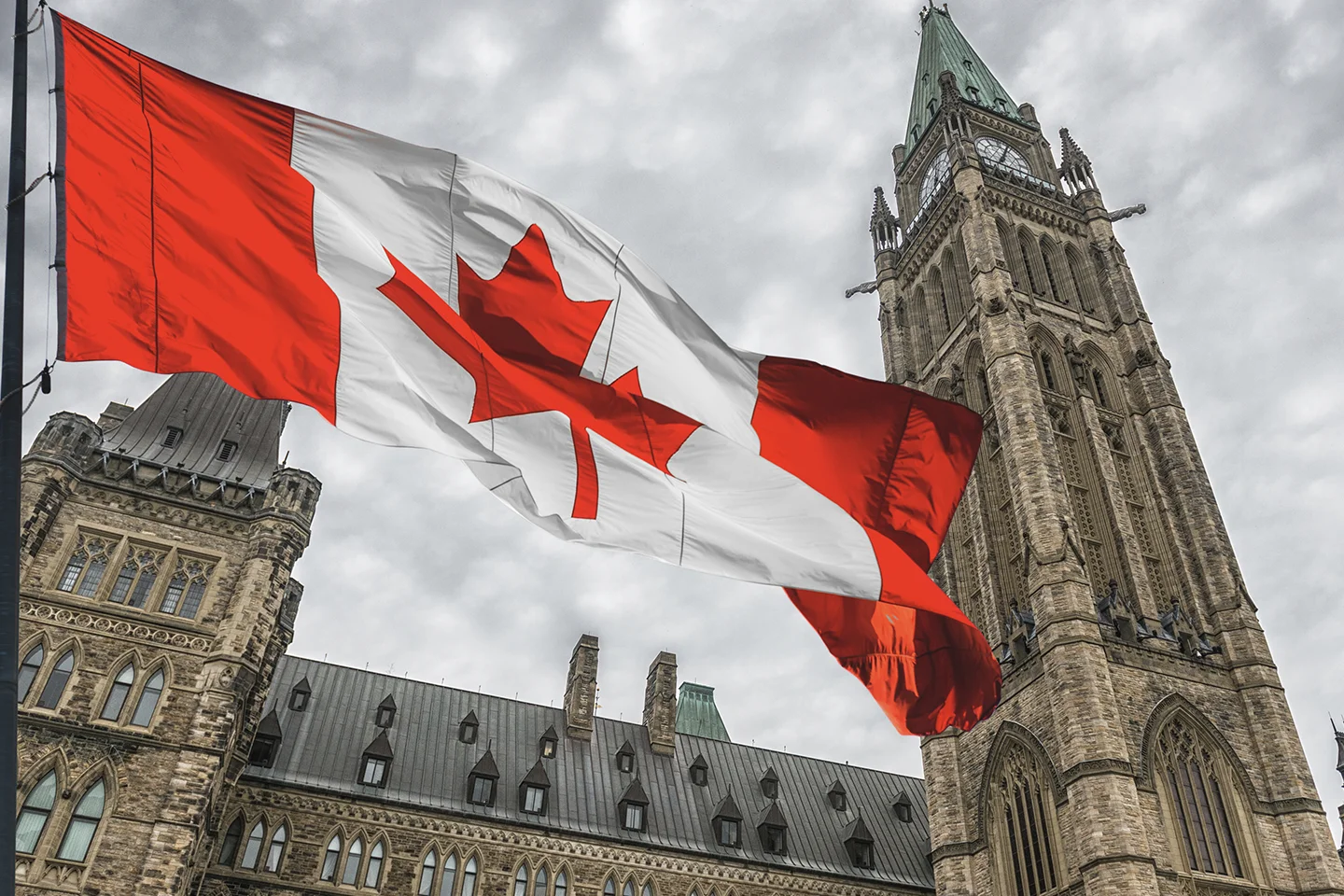
Following the imposition of the 50% ‘section 338’ tariffs by the United States on August 22 on approximately $28 billion worth of Canadian products, the Canadian federal government has now issued a decisive response, including dollar-for-dollar and rate-for-rate retaliatory tariffs as well as a $7.5 billion support package to help businesses and workers weather the storm caused by trade disruptions.
Canada-U.S. Trade Talks Suspended: What Happened & What Comes Next
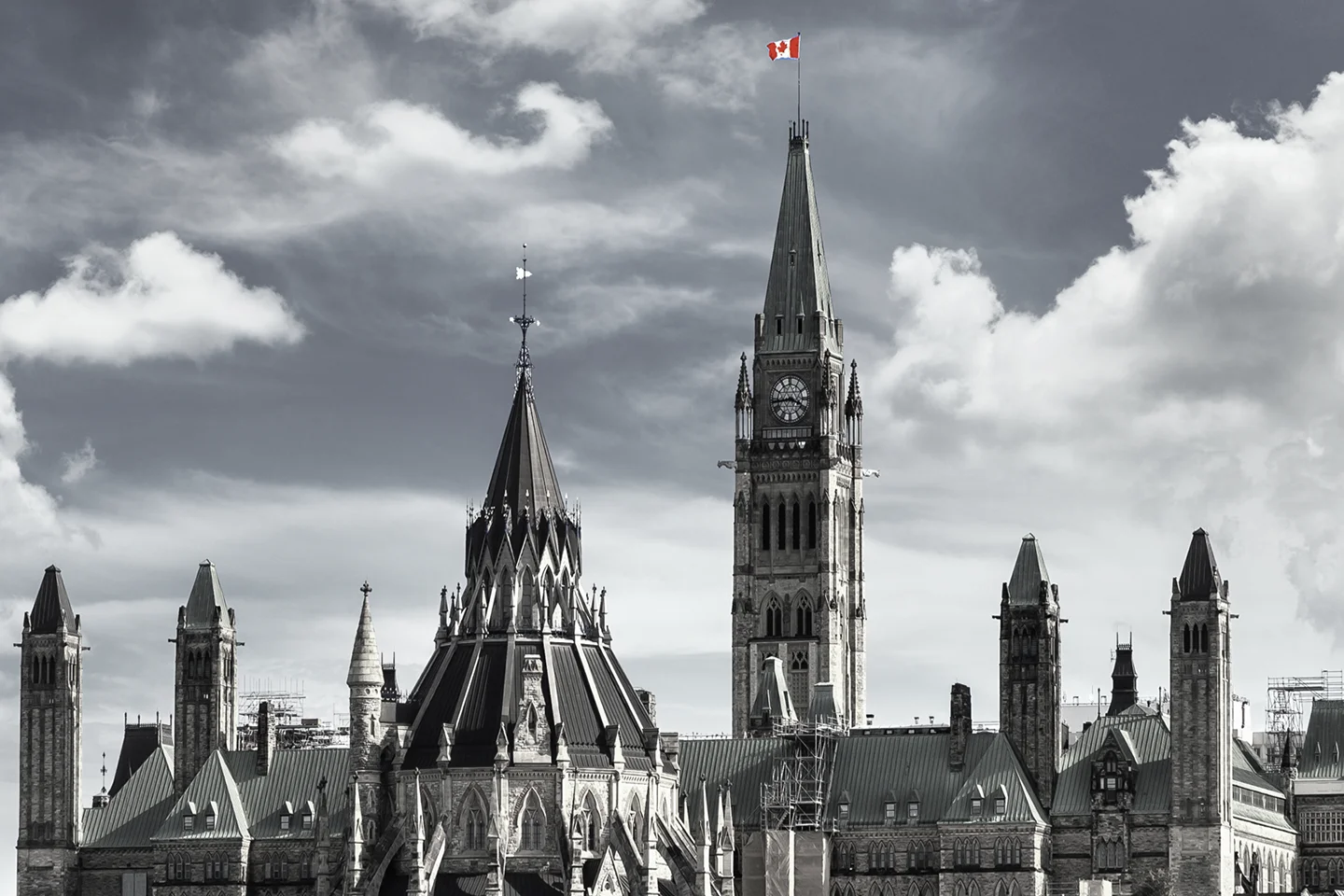
As of August 22, the US has followed through on its threat to impose new 50% tariffs on $28 billion worth of Canadian products, targeting goods such as electrical components, food, clothing, alcoholic beverages, paper, dairy products, furniture, plywood, media devices, and sports equipment, industrial machinery, amongst other products.
