MENU
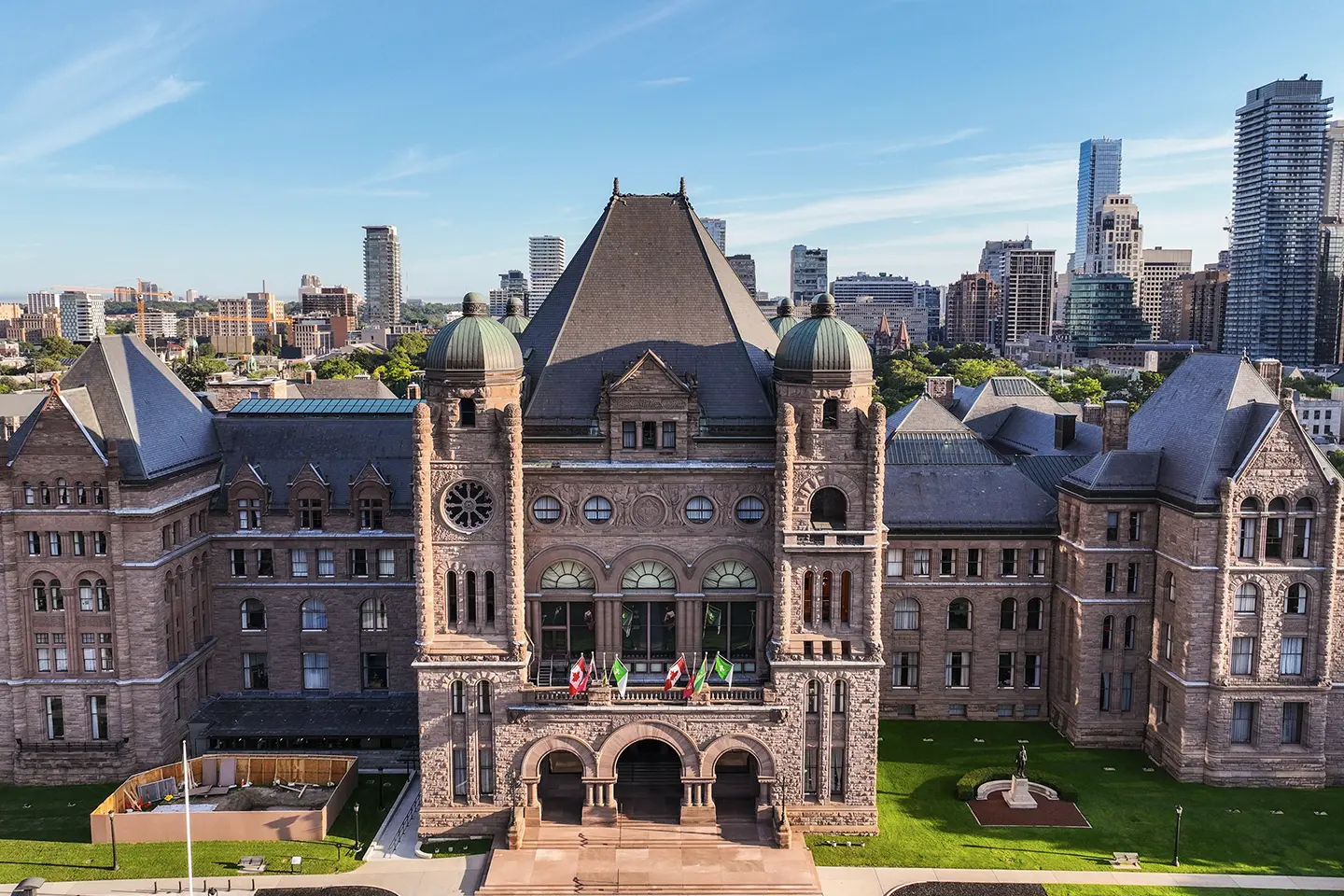
Aerial view of parliament hill in ottawa
01
Accueil
02
Services
03
Secteurs
04
Équipe
05
Notre travail
06
Mises à jour
07
Carrières
08
Personne-ressource
Services
01
Relations avec le gouvernement
02
Communications et numérique
03
Services consultatifs
Secteurs
01
Énergie
02
Environnement
03
Soins de santé
Mises à jour
01
Perspectives
02
Nouvelles
EN
FR
ServicesSecteursÉquipeNotre travailMises à jour
EN
FR
aperçus
mises à jour
October 1, 2020

2021-2024 CDM Framework Directive Issued by Ontario Minister of Energy, Northern Development and Mines to IESO

Écrit par
Équipe Énergie
2021-2024 CDM Framework Directive Issued by Ontario Minister of Energy, Northern Development and Mines to IESO

The Minister of Energy, Northern Development and Mines (MENDM) has issued a directive to the Independent Electricity System Operator (IESO) to implement a 2021-2024 Conservation and Demand Management (CDM) Framework launching the week of January 4, 2021.

The Directive was informed by stakeholders’ submissions in response to the 2021-2024 CDM Framework Proposal that was posted for comment over much of the summer.

Per the IESO posting, the new framework will be centrally delivered by the IESO under the Save on Energy brand and will include incentive programs targeted to commercial, industrial, institutional, on-reserve First Nations, and income-eligible electricity consumers.

As noted in the Framework Proposal, the Directive states that competitive procurement and calls for proposals will be leveraged to increase competitions and highlight consumer-based solutions.

The Framework will focus on measures that achieve provincial peak demand reductions, as well as targeted approaches to address regional and/or local electricity system needs. The programs will target the commercial, industrial, institutional (ICI) consumers, on-reserve Indigenous consumers, and low-income and income-eligible consumers.

Residential offerings will be focused on the development of tools and guidance to help improve energy efficiency awareness.

The Directive indicates that due to limited forecasted needs in the Framework’s first two years,  programs will be designed to maintain program delivery capacity in the province and meet consumer needs, and will look to develop new programs in 2023, after a mid-term review has taken place.

The Directive also notes that the IESO will coordinate the delivery of CDM programs with entities delivering natural gas Demand Side Management (DSM) programs.

IESO will now prepare its management plan for the implementation of the Framework  and deliver it to MENDM by December 1st, 2020.

Please let our team know if you have any questions, or if we can help.
Aucun objet trouvé.
partager l'article
Lien copié
‍

Messages récents

Canada’s Nuclear Renaissance, Continued
June 26, 2026

Canada’s Nuclear Renaissance, Continued

Canada unveiled its first-ever sectorwide Nuclear Energy Strategy, setting concrete build-out targets: up to 10 new domestic reactors by 2040, four new export markets by 2040, across a four-pillar plan covering domestic builds, exports, fuel/waste management, and fission/fusion innovation. The strategy stays technology-agnostic between CANDU, AP1000, and Gen IV designs, leans on existing financing tools rather than new funding (with a dedicated financing policy due next April), and frames nuclear as central to doubling Canada's grid capacity and capturing global export demand as countries move away from Russian supply chains.

Le Canada dépose un nouveau projet de loi fédéral d'envergure sur la protection des renseignements personnels
June 16, 2026

Le Canada dépose un nouveau projet de loi fédéral d'envergure sur la protection des renseignements personnels

Le projet de loi C-36, la Loi sur la protection de la vie privée et des données des consommateurs, représenterait la refonte la plus importante du régime de protection des renseignements personnels du secteur privé du Canada depuis plus de 25 ans.

Tout le nucléaire ne se vaut pas
June 11, 2026

Tout le nucléaire ne se vaut pas

Les centrales nucléaires traditionnelles à grande échelle ont démontré depuis longtemps qu'il est possible de produire de l'électricité fiable à grande échelle sans émissions directes de gaz à effet de serre. Elles fournissent une électricité stable et continue qui soutient les économies modernes tout en aidant les juridictions à atteindre leurs objectifs climatiques.

voir tout
Je vous remercie ! Votre soumission a bien été reçue !
Oups ! Quelque chose s'est mal passé lors de la soumission du formulaire.
entreprise
AccueilÉquipeCarrièresPersonne-ressourceModalités et politiquesAccessibilité
explorer
ServicesSecteursNotre travailMises à jour
suivez-nous
Ce site a été traduit automatiquement à l'aide des outils de localisation de Webflow.
TOUS DROITS RÉSERVÉS © 2020
Reconnaissance des terres