Government of Canada Launches Request for Proposals for $1.5 Billion Clean Fuels Fund
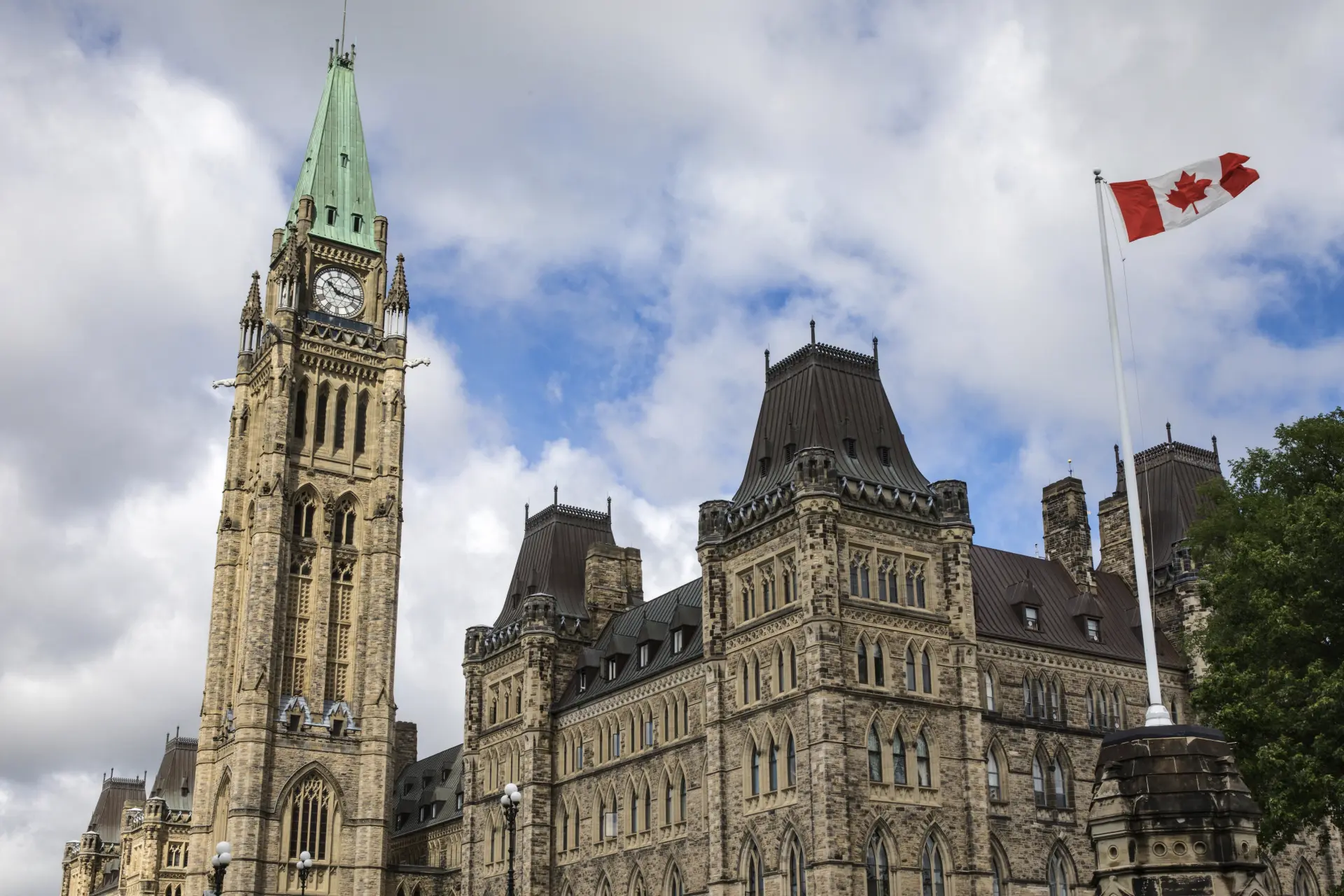
Today, the Minister of Natural Resources, Seamus O’Regan announced the launch of the Request for Proposals (RFP) for the $1.5 billion Clean Fuels Fund (CFF). The competitive RFP process will be open for 100 days, starting today and closing on September 29, 2021.
Initially announced on December 11, 2020, via the release of Canada’s Strengthened Climate Plan, the mechanism aims to de-risk the capital costs required to build new or expand existing clean fuel production facilities. The CFF will also support the establishment of biomass supply chains to improve logistics for the collection, supply, and distribution of biomass materials. In addition, resources will be available to address gaps and misalignment in codes, standards and regulations related to the production, distribution and end-use of clean fuels.
Eligible clean fuel types will include: hydrogen, ethanol, renewable diesel, co-processing of bio crude, sustainable aviation fuel, and renewable natural gas (RNG).
In addition to fuels production, eligible projects may also include support for feasibility and front-end engineering studies and design studies and assessments.
Stacking with other funding programs is permitted, as long as total government contributions do not exceed 75% of total project costs.
Eligible funding:
- Feasibility and FEED Studies Stream: Up to 50% of total eligible project costs to a maximum of $5 million, non-repayable.
- Clean Fuel Facility Stream: Up to 30% of total project costs to a maximum of $150 million, conditionally repayable.
While there are not minimum funding amounts, there are stipulated minimum production amounts to qualify for the program:
- 30ML for liquids
- 100,000 GJ for renewable natural gas
- 500,000 GJ for hydrogen
Projects must be fully commissioned by March 31st, 2026.
The Government of Canada has indicated the CFF will compliment the implementation of the Clean Fuel Standard (CFS). The CFS will require liquid fuel (gasoline, diesel, home heating oil) suppliers to progressively reduce the carbon intensity of the fuels they produce and sell for use, leading to a decrease of approximately 13% (below 2016 levels) in the carbon intensity of liquid fuels used in Canada. Draft regulations of the CFS were released for comment in December 2020, and comments were accepted until March 31, 2021. Final regulations are expected in late 2021.
Happy to help.
Sussex is here to help your organization navigate the RFP process. If you have questions, please reach out to the Sussex Federal or Energy & Environment teams.